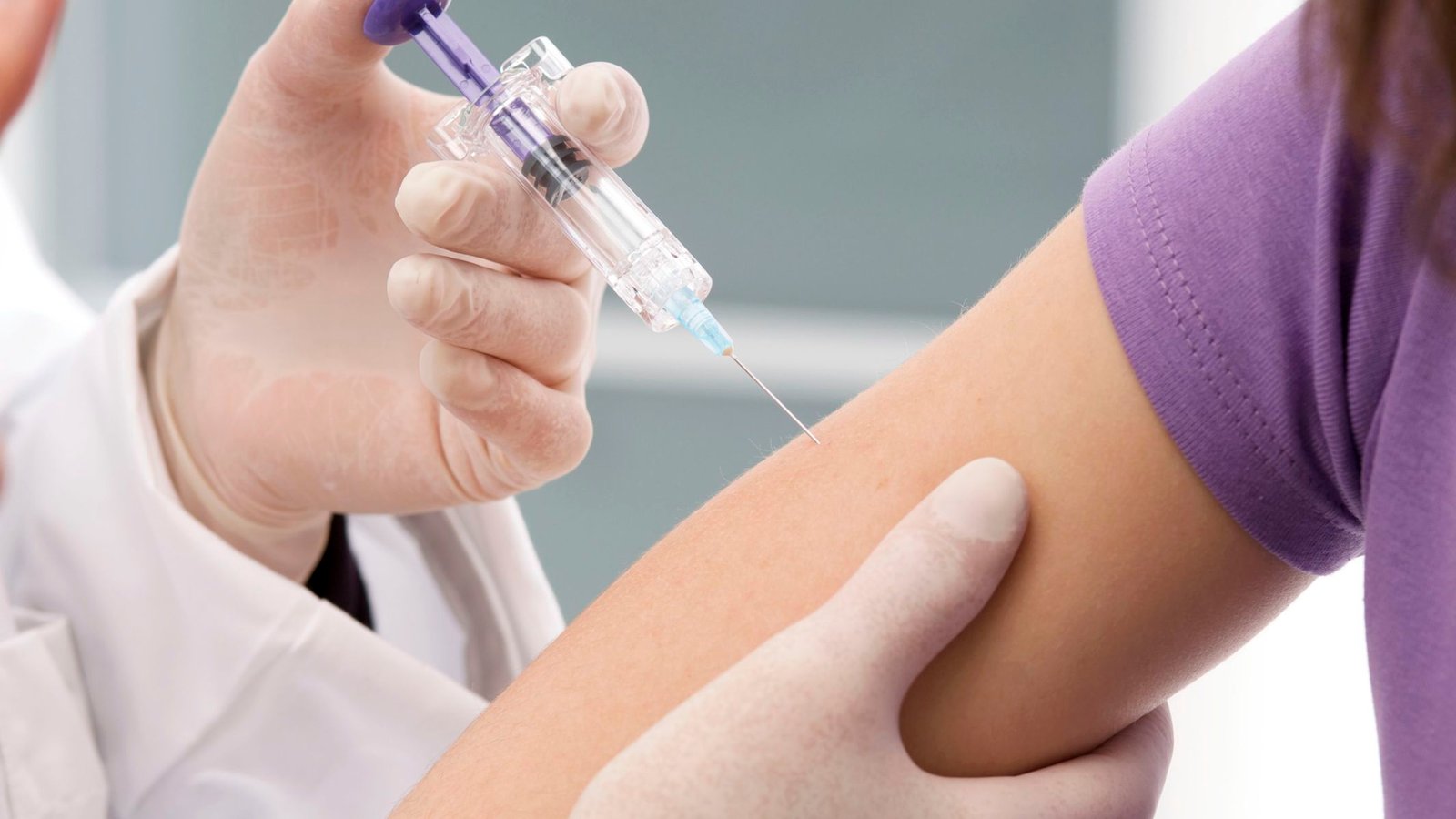
Human papilloma virus (HPV) is a sexually transmitted infection which is a common cause of cervical cancer in women especially in developing countries1. Around 99% of cervical cancers are associated with HPV infections. More than 365.71 million women in India above the age of 15 years are at a risk of developing cervical cancer.
The most common signs of cervical cancer are abnormal vaginal bleeding mostly post-coital bleed. Currently the most commonly used vaccine Gardasil 9, approved by the U.S. food and drug administration (FDA) since 2015 is used which acts by stimulating production of antibodies that would bind to the virus in case of infection and prevents the viral toxins to reach the cells.
Ideally all preteens and adults should be vaccinated along with patients having health issues such as HIV infection, diabetes or any heart condition. One dose of this vaccine costs about 0 rupees on average and 3 shots are required to be taken at 0, 2 and 4 months2.
A quadrivalent HPV vaccine is likely to be launched for cervical cancer in India by serum institute of India (SII) of serotypes 6, 11, 16, 18. It is currently under development and is expected to show approximately 90% coverage against the strains of virus prevalent in developing countries.
This vaccine is manufactured in India, thus, it may prove to be an efficacious as well as cost effective vaccine and a major breakthrough in prevention of HPV-induced cervical cancer.
- Kaarthigeyan KJIJoM and Oncology P. Cervical cancer in India and HPV vaccination. 2012; 33: 7-12.
- Chauhan AS, Prinja S, Srinivasan R, et al. Cost effectiveness of strategies for cervical cancer prevention in India. 2020; 15: e0238291.